 Market guide
Fractional Real Estate in Vietnam
Fractional real estate in Vietnam means buying $50 tokens in a Hanoi property through MeyReal, the only platform on Threeworld listing Vietnamese assets. Vietnam is the one market here where nobody owns the land, not even locals, because the state does. That single fact shapes everything about how these deals are built, and it is the reason a fractional token can give you exposure a foreign buyer could never get directly. This page covers the live figures, the platform, how land use rights actually work, who can invest and what to check.

Why Vietnam
Vietnam has been one of Asia's fastest-growing economies for a decade, and Hanoi and Ho Chi Minh City have the demographics that usually follow: a young population, rapid urbanisation and a middle class forming faster than housing gets built. Inner-city land supply is tight, which is why the plots that do come up trade at prices that look high against local incomes. The catch is that this has been one of the hardest property markets in Asia for an outsider to reach. A foreign buyer can own an apartment, but not land, and not a house on land. Fractional platforms are a recent answer to that, and they are very new here, so treat the whole market as early rather than established.
The Platform
MeyReal is the only platform on Threeworld with Vietnamese listings. It sells each property as a fixed number of tokens on Base at a flat price, $50 a token on its deals so far, and charges a 2% fee when you buy. You pass an identity check first. Two kinds of deal exist. A plain PTO raises once against the property's appraised value. A rental PTO keeps paying holders a share of the rent afterwards. MeyReal publishes the land use rights certificate and an independent valuation for each property, which is more paperwork than most platforms put in front of you, and its profile on Threeworld carries every listing and the fees.
Nobody Owns Land in Vietnam
This is the part worth reading twice. Under Vietnamese law all land belongs to the people with the state as their representative, so there is no freehold title to buy. What exists instead is a land use right: a state-granted right to use a plot, recorded on a certificate, transferable and mortgageable, but not ownership. Vietnamese citizens hold these. Foreign individuals are not recognised as land users at all, and foreign companies get terms of up to 50 years. So how does a token work? The land use right is held by a Vietnamese property holding company. A separate token issuer sells the tokens. What you buy is a contractual right against that issuer, tied to that property, not a share of the certificate itself. That structure is what lets someone outside Vietnam get exposure to a Hanoi land plot they could not legally hold in their own name. It cuts both ways. Your protection is a contract and a corporate structure rather than a registered title, so the entity behind the deal matters as much as the building does. Read the token subscription agreement before you read the projections.
Who Can Invest, and Tax
MeyReal accepts investors after an identity check and no Vietnamese residency is needed, which is the whole point of the structure. Buying is settled in stablecoin on Base, so you need a wallet rather than a Vietnamese bank account. Vietnamese tax on the property sits at the holding company level. You declare what you receive under your own country's rules, so keep a record of the value of each distribution on the day it lands.
What to Check on a Vietnamese Listing
Whether the listing is a plain PTO or a rental PTO, because only the second one pays you anything while you hold it. The valuation certificate, and how recent it is. Who the property holding company is and what the token subscription agreement actually promises. Whether the raise is still open, since a sold-out PTO has no secondary market on the platform yet. And size it like the frontier position it is. Vietnam is the newest market on Threeworld and the platform behind it opened its first deal in 2026. The listings below are the Vietnamese properties on Threeworld right now.
Top-rated fractional properties in Vietnam
All listings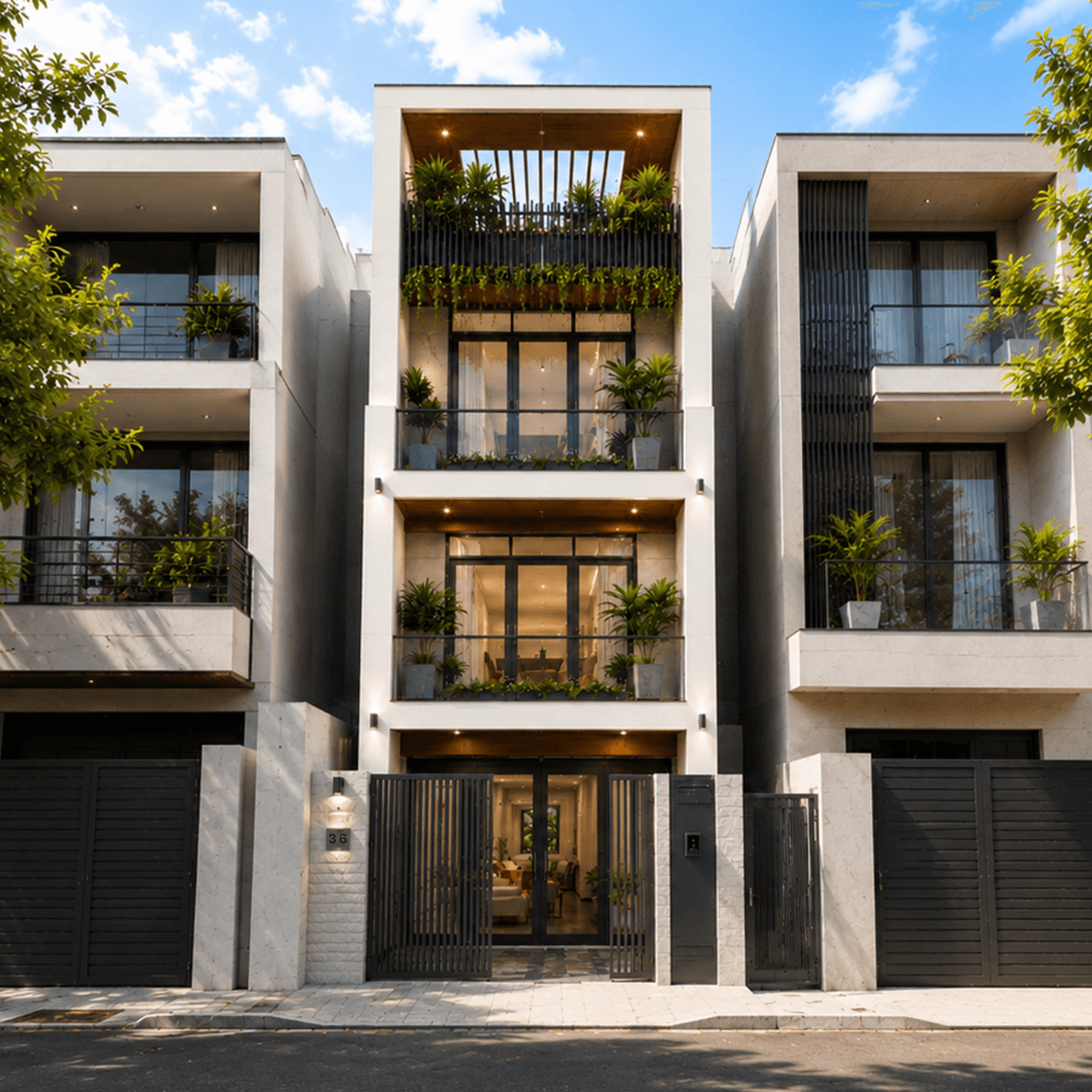
Questions people ask
Can foreigners buy property in Vietnam?
- Only partly. A foreigner can own an apartment in an approved development, capped at 30% of the units in a building and for a 50-year renewable term, but cannot hold land use rights for land or a house on land. Fractional tokens are structured to work around that, because you hold a contractual right against a token issuer rather than the land itself.
What is a land use right?
- Vietnam has no freehold. All land belongs to the people with the state as representative, and what people hold is a state-granted right to use a plot, recorded on a land use rights certificate. It can be transferred, inherited and mortgaged, which makes it function much like ownership in practice, but it is legally not the same thing.
How much do I need to invest in Vietnamese real estate?
- $50, the price of one MeyReal token, plus a 2% buying fee. That is the lowest entry point of any market on Threeworld.
What are the risks of fractional real estate in Vietnam?
- Your claim is contractual rather than a registered title, so it depends on the property holding company and the token issuer standing behind it. The platform is new, launched in 2026, with a short track record and no secondary market yet, so assume you cannot exit early. Currency and policy risk sit on top of that.
Other markets
 The UAE
 The United States
 Spain
Spain Mexico
 The Dominican Republic
 Argentina
More from the Learning Hub
All articles
Fundamentals
What is Fractional Real Estate?
Fractional real estate lets you buy a share of a property from about $50 and collect your share of the rent. How it works, pros, cons and how to start.

Comparisons
Best Fractional Real Estate Platforms in 2026, Compared
Arrived, Stake, Reental, Mogul, Prypco Mint, Fundrise and more compared on minimums, markets, regulation, income and liquidity, with live listing counts.
Comparisons
Is Fractional Real Estate a Good Investment?
Fractional real estate suits investors who want property income without a mortgage and can hold for years. Real yields, fees, risks and who it fits.