 Market guide
Fractional Real Estate in the United States
Fractional real estate in the United States means buying SEC-regulated shares or tokens of a single rental home, usually from $100, and collecting your share of the rent. It is the most regulated fractional market in the world, built on the Regulation A+ and Regulation D exemptions, and the home of Arrived, Mogul, Sols Lot, Fundrise and Cityfunds. Yields are lower than in emerging markets, typically around 4% to 6% net on single-family rentals, in exchange for the strongest disclosure and the deepest secondary markets. This page shows the live figures, the platforms, the structures and what to check.

Why the US Market Is Different
The US fractional market grew out of securities law rather than property law. The 2012 JOBS Act created exemptions that let a platform sell shares of a property-holding LLC to the public, with an offering circular the SEC has qualified and audited financials. That is why US listings are the most documented anywhere: every Arrived home has a filed offering that states the purchase price, the fees, the projected rent and the risks. The market itself is single-family rental homes in the Sun Belt and the Midwest, where prices are moderate and rents are reliable, plus a growing set of short-term rentals and specialist structures. Yields are lower than in Dubai or Spain because US house prices are high relative to rent, and because most platforms hold the homes without a mortgage.
The Platforms
Arrived sells Regulation A+ shares of individual single-family rental homes from $100, holds each home in its own LLC, pays monthly dividends, and opened a secondary trading platform in November 2025. Mogul curates short-, mid- and long-term rentals with tokenized shares on Avalanche from $250 and monthly income. Sols Lot sells appreciation rights on US homes, a contractual share of the future sale price with no rent, from $250. Reental lists US properties through shares of a holding company, from €100, paid in USDT. Fundrise sells diversified US real estate funds from $10, and Cityfunds sells shares in city-level home equity pools from $500. Lofty, a tokenized US rental platform from $50, is next to be integrated. RealT, the other tokenized US name, is in liquidation and its listings are indexed as closed.
Regulation A+, Regulation D and Tokens
Most US retail offerings use Regulation A+: the SEC qualifies the offering, anyone can invest, and non-accredited investors are capped at 10% of their income or net worth per offering. Regulation D offerings are private, usually limited to accredited investors, and carry higher minimums. Regulation Crowdfunding sits in between, with a $5 million annual cap per issuer. Tokenized US platforms wrap the same LLC shares in a blockchain token. The token is still a security, the same rules apply, and the benefit is a secondary market that trades around the clock and income paid in stablecoins. In every case you own shares of an LLC that owns the home. You are not on the deed, but the deed is inside something you part-own, and the LLC's operating agreement sets out what the manager can decide and what needs a vote.
Investing From Abroad, and Tax
Most US platforms, including Arrived, require a US tax identification number and a US bank account, which in practice limits them to US residents. Reental's US properties are the main route for international investors, and the tokenized platforms accept some non-US investors depending on their country. US distributions arrive as dividends on a Form 1099-DIV from corporate-style LLCs, or on a Schedule K-1 from partnership-style ones, which can pass through depreciation. Gains at sale are capital gains. Non-US investors face withholding tax on US-source income, typically 30% reduced by treaty, and should expect the paperwork to be the heaviest of any market.
What to Check on a US Listing
The offering circular, which is where the real fee schedule, the reserve and the projected rent live. The state and metro: property tax rates, insurance costs and landlord law differ enormously between Texas, Florida and Ohio. Whether the home is tenanted or newly built and waiting for its first lease. And the platform's exit terms: Arrived's secondary market has lock-ups and windows, Mogul's and Reental's follow their own rules. The listings below are the highest-rated US properties on Threeworld right now.
Top-rated fractional properties in the United States
All listings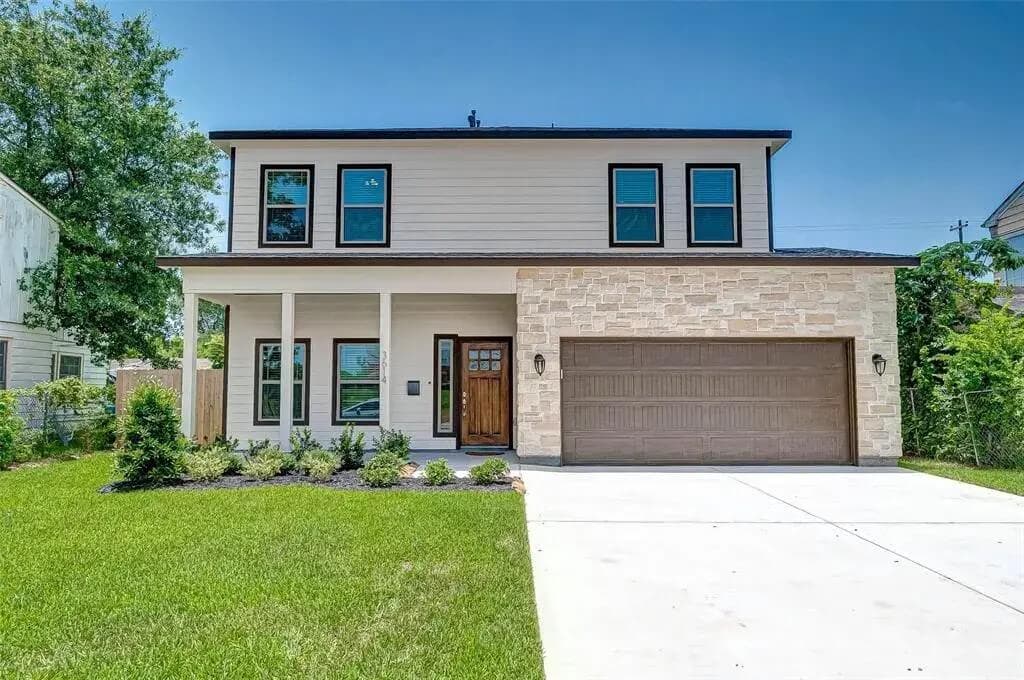
Reental · houston
Houston 2
- Projected yield
- 14.4%
- Minimum
- $100

Reental · Coral Gables
Proyecto 100
- Projected yield
- 12.5%
- Minimum
- $100
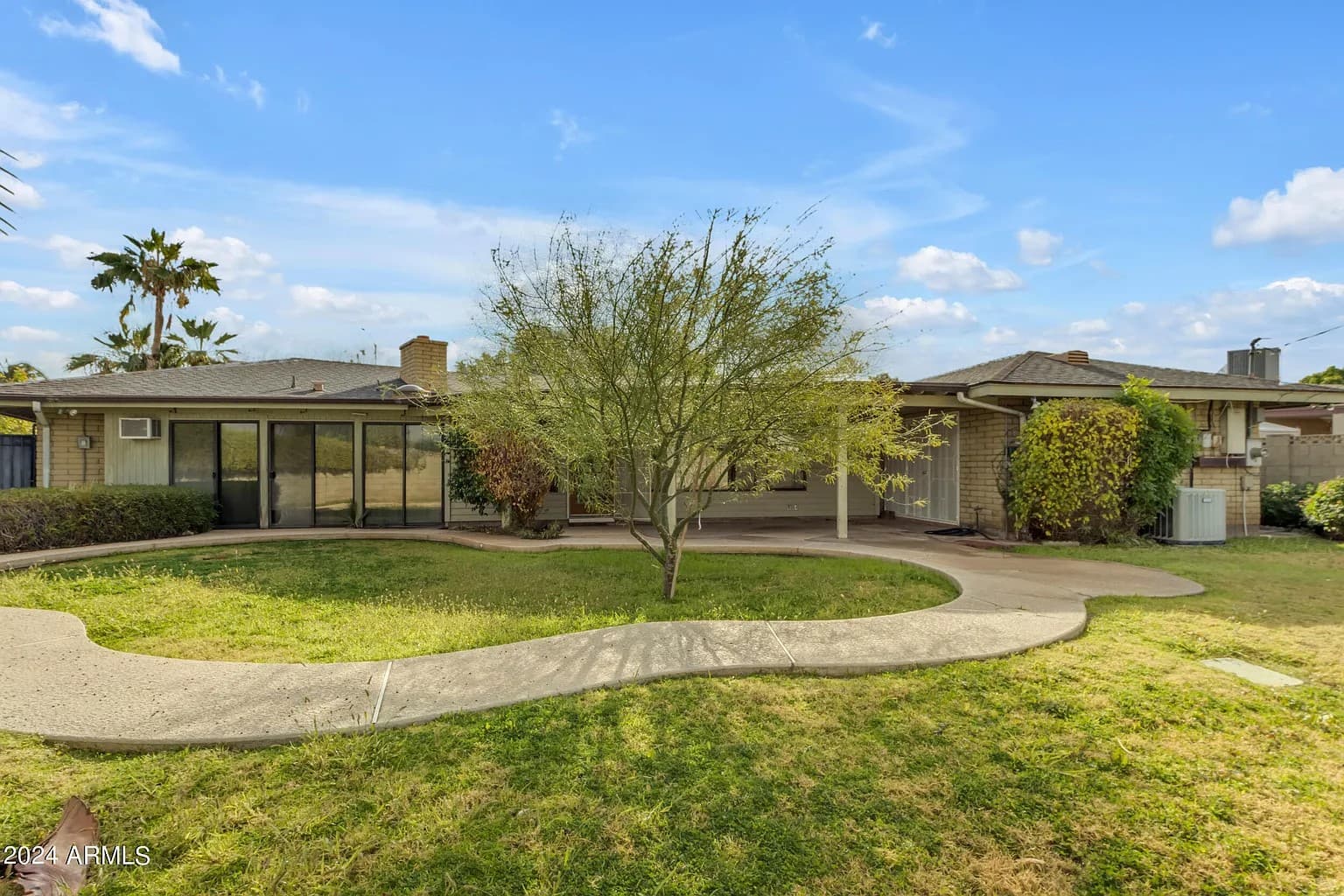
Reental · Mesa
Arizona 1
- Projected yield
- 14.5%
- Minimum
- $100
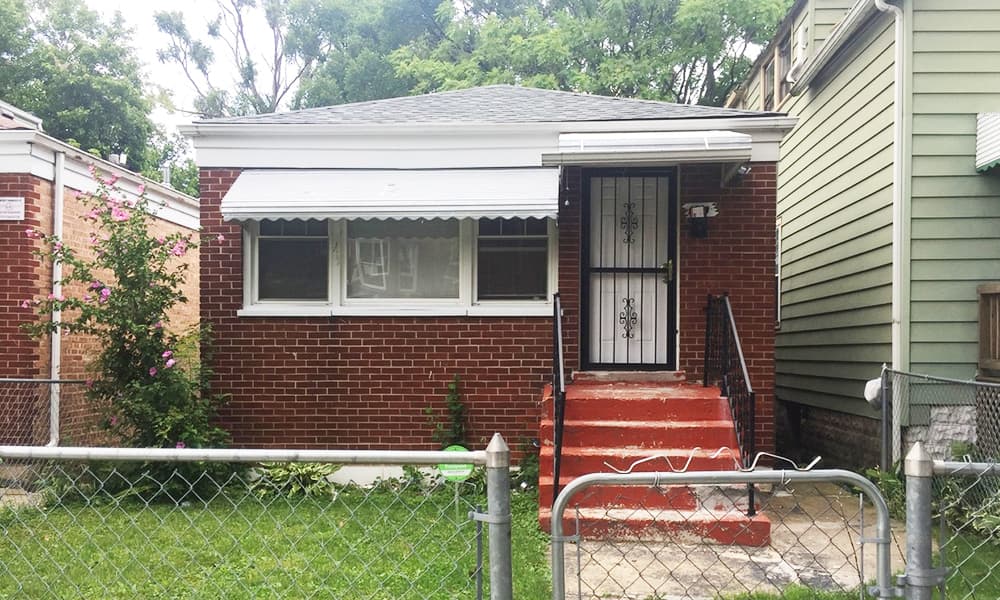
Bricksave · Chicago
6721 South Morgan St
- Projected yield
- 10.1%
- Minimum
- N/A
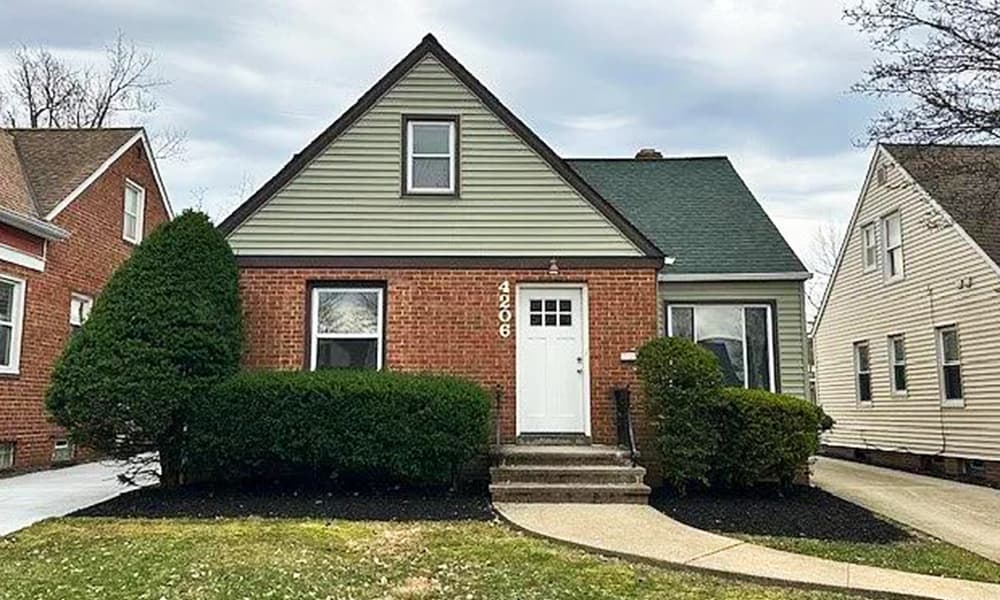
Bricksave · Cleveland
South Euclid, Cleveland
- Projected yield
- 10.7%
- Minimum
- N/A
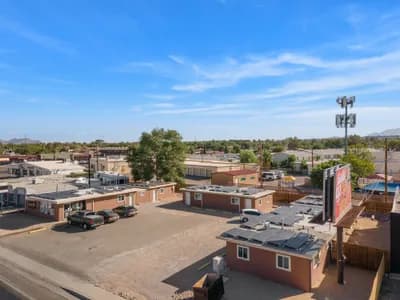
Lofty.ai · Las Cruces
1317 South Solano Dr
- Projected yield
- 23.9%
- Minimum
- $21.01
More fractional properties in the United States
Houston 1
Houston, United States
- Yield
- 14.3%
- Per share
- $100
- Score
- 71
S. Euclid, Cleveland
Cleveland, United States of America
- Yield
- 10.4%
- Per share
- N/A
- Score
- 71
Miami 3
Miami, United States
- Yield
- 15.0%
- Per share
- $100
- Score
- 68
Miami 2
Miami, United States
- Yield
- 15.2%
- Per share
- $100
- Score
- 68
14705 Fairland Dr
Pflugerville, United States
- Yield
- 17.9%
- Per share
- $24.25
- Score
- 67
Naples 1
Naples, United States
- Yield
- 12.0%
- Per share
- $100
- Score
- 66
15 Wilshire Blvd
Lubbock, United States
- Yield
- 21.4%
- Per share
- $33.99
- Score
- 65
Miami 1
Key Biscayne, United States
- Yield
- 14.9%
- Per share
- $100
- Score
- 65
Miami 7
North Miami Beach, United States
- Yield
- 12.0%
- Per share
- $100
- Score
- 64
Atlanta 1
East Lake, United States
- Yield
- 12.0%
- Per share
- $100
- Score
- 64
0 E 45Th St
Jacksonville, United States
- Yield
- N/A
- Per share
- $50
- Score
- 64
Houston 3
Houston, United States
- Yield
- 12.4%
- Per share
- $100
- Score
- 63
503 Colorado Street Unit 4
Lawrence, United States
- Yield
- 13.1%
- Per share
- $24
- Score
- 63
323 E 9th St
Davenport, United States
- Yield
- 10.2%
- Per share
- $33.16
- Score
- 62
217 McClallen Dr
Killington, United States
- Yield
- 32.2%
- Per share
- $38.46
- Score
- 61
Dania Beach 1
Austin, United States
- Yield
- 11.0%
- Per share
- $100
- Score
- 61
Cleveland, Ohio
Cleveland, United States of America
- Yield
- 11.6%
- Per share
- N/A
- Score
- 60
19013 Pawnee Avenue
Cleveland, United States of America
- Yield
- 11.4%
- Per share
- N/A
- Score
- 60
2094 W 34th Place
Cleveland, United States
- Yield
- 10.0%
- Per share
- $10.71
- Score
- 60
11833 South Morgan Street
Chicago, United States of America
- Yield
- 11.0%
- Per share
- N/A
- Score
- 59
615 Rose Ln
Davenport, United States
- Yield
- 11.3%
- Per share
- $41
- Score
- 59
235 West 107th St.
Chicago, United States of America
- Yield
- 10.7%
- Per share
- N/A
- Score
- 59
854 Keystone Drive
Cleveland, United States of America
- Yield
- 10.6%
- Per share
- N/A
- Score
- 59
10056 South Indiana Av.
Chicago, United States of America
- Yield
- 10.7%
- Per share
- N/A
- Score
- 59
19005 Pawnee Ave
Cleveland, United States of America
- Yield
- 10.8%
- Per share
- N/A
- Score
- 59
4417 West 51st Street
Cleveland, United States of America
- Yield
- 10.5%
- Per share
- N/A
- Score
- 58
7923 South Manistee Av.
Chicago, United States of America
- Yield
- 10.4%
- Per share
- N/A
- Score
- 58
11005 Brunswick Avenue
Cleveland, United States of America
- Yield
- 10.5%
- Per share
- N/A
- Score
- 58
Miami 6
Miami, United States
- Yield
- 11.0%
- Per share
- $100
- Score
- 58
1821 Donetto Dr
Leander, United States
- Yield
- 14.7%
- Per share
- $42.50
- Score
- 57
4408 17th Ave
Rock Island, United States
- Yield
- 9.7%
- Per share
- $47
- Score
- 57
172 OH-53
McCutchenville, United States
- Yield
- 8.3%
- Per share
- $21.01
- Score
- 57
3493 W 119th St
Cleveland, United States
- Yield
- 10.3%
- Per share
- $25.02
- Score
- 57
5604 Brownfield Dr (32 Units)
Lubbock, United States
- Yield
- 10.3%
- Per share
- $11.20
- Score
- 56
20 Sederholm Path
Palm Coast, United States
- Yield
- 12.3%
- Per share
- $36.85
- Score
- 56
1048 Hilton Rd
Cinnaminson, United States
- Yield
- 7.9%
- Per share
- $52
- Score
- 55
1106 29th Ave
Rock Island, United States
- Yield
- 12.2%
- Per share
- $51.80
- Score
- 55
217 W Stone St
Gibsonburg, United States
- Yield
- 13.2%
- Per share
- $40.01
- Score
- 54
12615 Jackson Ave
Grandview, United States
- Yield
- 19.1%
- Per share
- $45.75
- Score
- 53
2208 Murray Ave
Atlantic City, United States
- Yield
- 16.0%
- Per share
- $21
- Score
- 53
4506 S Fallwood Ct
Columbia, United States
- Yield
- 14.2%
- Per share
- $42.80
- Score
- 52
The Sophie
North Las Vegas, United States
- Yield
- 3.4%
- Per share
- $10
- Score
- 52
Fort Myers 1
Fort Myers, United States
- Yield
- 11.0%
- Per share
- $100
- Score
- 52
Jacksonville 3
Jacksonville, United States
- Yield
- 10.5%
- Per share
- $100
- Score
- 52
San Antonio 2
San Antonio, United States
- Yield
- 14.0%
- Per share
- $100
- Score
- 51
San Antonio 1
San Antonio, United States
- Yield
- 14.0%
- Per share
- $100
- Score
- 51
Jacksonville 2
Mid-Westside, United States
- Yield
- 10.4%
- Per share
- $100
- Score
- 51
The Lincoln
Cleveland, United States
- Yield
- 4.3%
- Per share
- $10
- Score
- 51
3427 Sturdevant St
Davenport, United States
- Yield
- 8.3%
- Per share
- $48.86
- Score
- 51
The Spurgeon
Kingsport, United States
- Yield
- 4.4%
- Per share
- $10
- Score
- 50
The Roman II
Humble, United States
- Yield
- 17.5%
- Per share
- $1.76
- Score
- 50
The Singletary
Houston, United States
- Yield
- 17.5%
- Per share
- $1.98
- Score
- 50
2489 Charlene Ct
Macon, United States
- Yield
- 6.9%
- Per share
- $15
- Score
- 50
The Chadwick
Nesbit, United States
- Yield
- 4.4%
- Per share
- $10
- Score
- 50
Questions people ask
Can non-US residents invest in US fractional real estate?
- On most US platforms, no: Arrived and others require a US tax ID. Reental's US properties and some tokenized platforms accept international investors. Threeworld shows each listing's access rules.
What is the minimum to invest in US fractional real estate?
- $100 on Arrived, $250 on Mogul and Sols Lot, €100 on Reental's US projects, and $10 for Fundrise's funds. Lofty starts at $50.
What yields do US fractional rentals pay?
- Single-family rentals on Arrived project around 4% net, with total returns higher once appreciation is included. Mogul projects higher figures on short-term rentals. The live US median is at the top of this page.
Is US fractional real estate regulated by the SEC?
- Yes. Retail offerings are qualified under Regulation A+ or run under Regulation D or Regulation Crowdfunding, with filed offering documents. The regulation covers disclosure and structure, not the return.
Other markets
 The UAE
 Spain
Spain Mexico
 The Dominican Republic
 Argentina
 Vietnam
More from the Learning Hub
All articles
Fundamentals
What is Fractional Real Estate?
Fractional real estate lets you buy a share of a property from about $50 and collect your share of the rent. How it works, pros, cons and how to start.

Comparisons
Best Fractional Real Estate Platforms in 2026, Compared
Arrived, Stake, Reental, Mogul, Prypco Mint, Fundrise and more compared on minimums, markets, regulation, income and liquidity, with live listing counts.
Comparisons
Is Fractional Real Estate a Good Investment?
Fractional real estate suits investors who want property income without a mortgage and can hold for years. Real yields, fees, risks and who it fits.